Source Grain Seed Cleaning Machine for Wheat Rice Beans
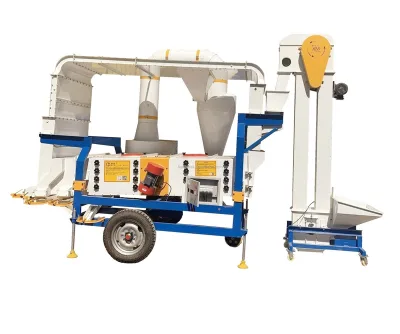
Find 22 grain seed cleaning machine options with varying capacities from 5 to 20 tons per hour. Buyers can compare specifications, materials, and customization features for wheat, rice, and beans processing.
Key considerations
Products List


Comprehensive Sourcing Guide
Strategic Sourcing Guide for Grain Seed Cleaning Machinery
Procuring industrial grain seed cleaning equipment requires a rigorous approach that balances technical performance with supply chain reliability. The global market for agricultural machinery offers a wide array of solutions, ranging from small-scale seed graders to high-capacity industrial cleaning lines. For buyers in the B2B sector, the decision-making process must be grounded in verified product attributes rather than marketing generalities. This guide outlines the critical factors for sourcing grain seed cleaning machines, focusing on the specific capabilities, standards, and operational parameters observed in current market listings.
Technical Specifications and Operational Capabilities
The core function of a grain seed cleaning machine is to remove dust, light impurities, and oversized or undersized particles from seed grain. When evaluating technical specifications, buyers must look beyond the general category name and examine the specific model numbers and capacity ratings. The market features distinct models designed for different throughput requirements. For instance, specific listings indicate a capacity of 5 tons per hour, while other configurations support up to 20 tons per hour. This variance in capacity is a primary driver for selection, as it dictates the scale of the operation the machine can support.
Physical dimensions and structural design are equally critical. The footprint of the machine affects facility layout and integration into existing processing lines. Observed specifications include dimensions such as 4730mm by 2500mm by 3830mm for larger units, while other models may have different sieve sizes, such as 2000mm by 1000mm. The structural orientation of the machinery also varies; some units are designed with a vertical structure, while others utilize a horizontal configuration. This choice influences the flow of material and the maintenance access points.
The cleaning mechanism itself is often a combination of technologies. Advanced units integrate air cleaning, sieve cleaning, and gravity separation to ensure high purity. The cleaning rate is a vital performance metric, with high-quality units achieving rates greater than 97%. This efficiency ensures that the final seed product meets strict quality standards for planting or further processing. The power requirements for these machines also vary, with specific models listing power consumption figures such as 21.49 kilowatts, which must be matched against the facility's electrical infrastructure.
Compliance, Certification, and Safety Standards
In the agricultural machinery sector, compliance with international and industry-specific standards is non-negotiable for risk management. Buyers should verify that the equipment adheres to recognized quality management systems. Market data indicates that certain models comply with ISO9001 standards, which is a baseline indicator of a manufacturer's commitment to quality control processes. Additionally, some listings reference compliance with specific agriculture machinery standards, though the exact nomenclature of these standards should be confirmed with the supplier.
Safety and operational certifications are also essential. While some background information suggests the existence of CE certification, buyers must treat this as a verification point rather than a guaranteed attribute for every listed product. The presence of a "New" condition status is a standard expectation for modern procurement, but the specific safety features and electrical compliance must be validated. Electrical specifications, such as a voltage requirement of 380V, must align with the local power grid to prevent equipment damage or operational hazards.
Cost Drivers and Pricing Structures
Understanding the cost drivers for grain seed cleaning machines is essential for budgeting and total cost of ownership analysis. The observed price range in the market spans from approximately 350 USD to 30,000 USD. This wide disparity is not arbitrary; it is driven by several key factors including capacity, material composition, and customization levels. A machine with a 20-ton per hour capacity will naturally command a higher price point than a 5-ton per hour unit due to the increased material and engineering requirements.
The material composition of the machine is a significant cost component. High-quality units are constructed from steel, which ensures durability and resistance to wear and tear during continuous operation. The choice of materials directly impacts the longevity of the equipment and the frequency of replacement parts. Furthermore, the level of customization available affects pricing. While some models are offered as standard, non-customized units, others offer tailored solutions. Buyers should note that customization options are available in the market, but they will likely incur additional costs and potentially longer lead times compared to off-the-shelf models.
Typical Applications and Material Compatibility
The versatility of grain seed cleaning machines is a major advantage for agricultural processors. These machines are designed to handle a diverse range of raw materials. The specific applications observed include the cleaning of wheat, maize, rice, soybean, quinoa, and sesame. This broad compatibility makes the equipment suitable for multi-crop processing facilities. In some contexts, the machinery is also utilized for processing flour, rice flour, and starch, indicating a dual-purpose capability for primary and secondary processing stages.
The application extends beyond simple cleaning to include seed grading. This function is critical for ensuring uniform seed size, which directly impacts germination rates and crop yield. The machine's ability to remove dust, light impurities, large impurities, and small impurities ensures that the seed grain is free from contaminants that could affect storage or planting. Whether the application is for beans, wheat, or other grains, the cleaning rate and separation efficiency must be sufficient to meet the specific quality requirements of the end-user.
Supplier Evaluation and Product Attributes
When evaluating potential suppliers, buyers must scrutinize the product attributes provided in the listing. The origin of the machinery is a key factor, with many units originating from regions such as Hebei and Kaifeng in China. While the location of the manufacturer does not inherently dictate quality, it provides context for the supply chain and logistics. Buyers should verify the specific origin to understand shipping routes and potential tariffs.
The warranty terms are another critical evaluation metric. Standard offerings in the market include a 1-year warranty, which provides a baseline level of protection against manufacturing defects. However, buyers should carefully review the scope of this warranty, including what components are covered and the terms for service support. The condition of the machine, typically listed as "New," should be confirmed through documentation or inspection reports. Additionally, the packaging method, which often involves mill's standard plastic film or wooden cases, is important for ensuring the equipment arrives without damage during transit.
Quality Control and Performance Verification
Quality control in the procurement of agricultural machinery involves more than just checking the box on a specification sheet. Buyers should verify the cleaning rate, which is a direct measure of the machine's effectiveness. A cleaning rate of greater than 97% is a benchmark for high-performance units. However, this figure should be understood as an observation of specific models rather than a universal guarantee for all grain seed cleaning machines.
Performance verification should also include an assessment of the machine's structure and appearance. Whether the unit is vertical or horizontal, the design must facilitate efficient material flow and ease of maintenance. The color of the machine, often available in options like green, white, cream, or blue, is primarily an aesthetic choice but can also indicate specific model lines or customization levels. Buyers should ensure that the machine's condition matches the "New" status claimed, and that all functional components, such as the sieves and air cleaning systems, are intact and operational.
Long-Term Procurement and Maintenance Considerations
Long-term procurement strategies for grain seed cleaning machines must account for maintenance, spare parts availability, and operational longevity. The raw material used, typically steel, suggests a durable build, but the specific grade and treatment of the steel will influence the machine's resistance to corrosion and wear. The capacity of the machine, whether 5 tons per hour or 20 tons per hour, determines the intensity of use and the frequency of maintenance required.
Buyers should also consider the customization options available for long-term adaptability. While some models are non-customized, the availability of customization allows for future upgrades or modifications to meet changing processing needs. The packing method, such as wooden cases, provides robust protection but also impacts the ease of unpacking and installation. Finally, the lead time and minimum order quantity (MOQ) are practical considerations; observed MOQs can be as low as 1 unit, facilitating smaller purchases, but lead times may vary based on the complexity of the order and the supplier's production schedule.
| Feature Category | Observed Attribute | Verification Requirement |
|---|---|---|
| Capacity | 5 Ton/Hour, 20 Ton/Hour | Confirm specific throughput needs vs. model rating |
| Material | Steel | Verify steel grade and corrosion resistance |
| Standard | ISO9001, Agriculture Machinery | Request certification documents for specific models |
| Application | Wheat, Rice, Soybean, etc. | Ensure compatibility with specific crop types |
| Cleaning Rate | >97% | Request test data or performance certificates |
| Origin | Hebei, China; Kaifeng | Verify shipping logistics and origin documentation |
| Warranty | 1 Year | Review terms, coverage, and service network |
| Voltage | 380V | Match with local facility electrical supply |
In conclusion, sourcing a grain seed cleaning machine requires a methodical approach that prioritizes verified technical data over general marketing claims. By focusing on capacity, material quality, compliance standards, and specific application requirements, buyers can secure equipment that delivers high cleaning rates and operational efficiency. The wide range of available models, from 5-ton to 20-ton units, offers flexibility for various agricultural scales, but the final selection must be grounded in a thorough evaluation of the supplier's credentials and the machine's documented performance.
FAQs
What is the cleaning rate for these machines?
High-quality units achieve a cleaning rate greater than 97%. This efficiency ensures the final seed product meets strict quality standards for planting or further processing.
Which materials can the machine process?
The machine can process wheat, maize, rice, soybean, quinoa, and sesame. It is also suitable for processing flour, rice flour, and starch in dual-purpose applications.
What is the available capacity range?
Observed capacities range from 5 tons per hour to 20 tons per hour. This variance dictates the scale of the operation the machine can support effectively.
Can I customize the machine color?
Yes, customization for color is available in options like green, white, cream, or blue. Buyers should note that customization options are available but may affect lead times.
What warranty is provided for the equipment?
Standard offerings include a 1-year warranty against manufacturing defects. Buyers should carefully review the scope of this warranty, including what components are covered.
Where are these machines manufactured?
Units originate from regions such as Hebei and Kaifeng in China. The location of the manufacturer provides context for the supply chain and logistics planning.
What is the voltage requirement for operation?
The voltage requirement is 380V. This specification must align with the local power grid to prevent equipment damage or operational hazards.